Pediatric · Immune Health

Frequent Colds in Kids: When It's More Than Bad Luck

"just daycare"?

Holistry · September 2026 · 4 min read

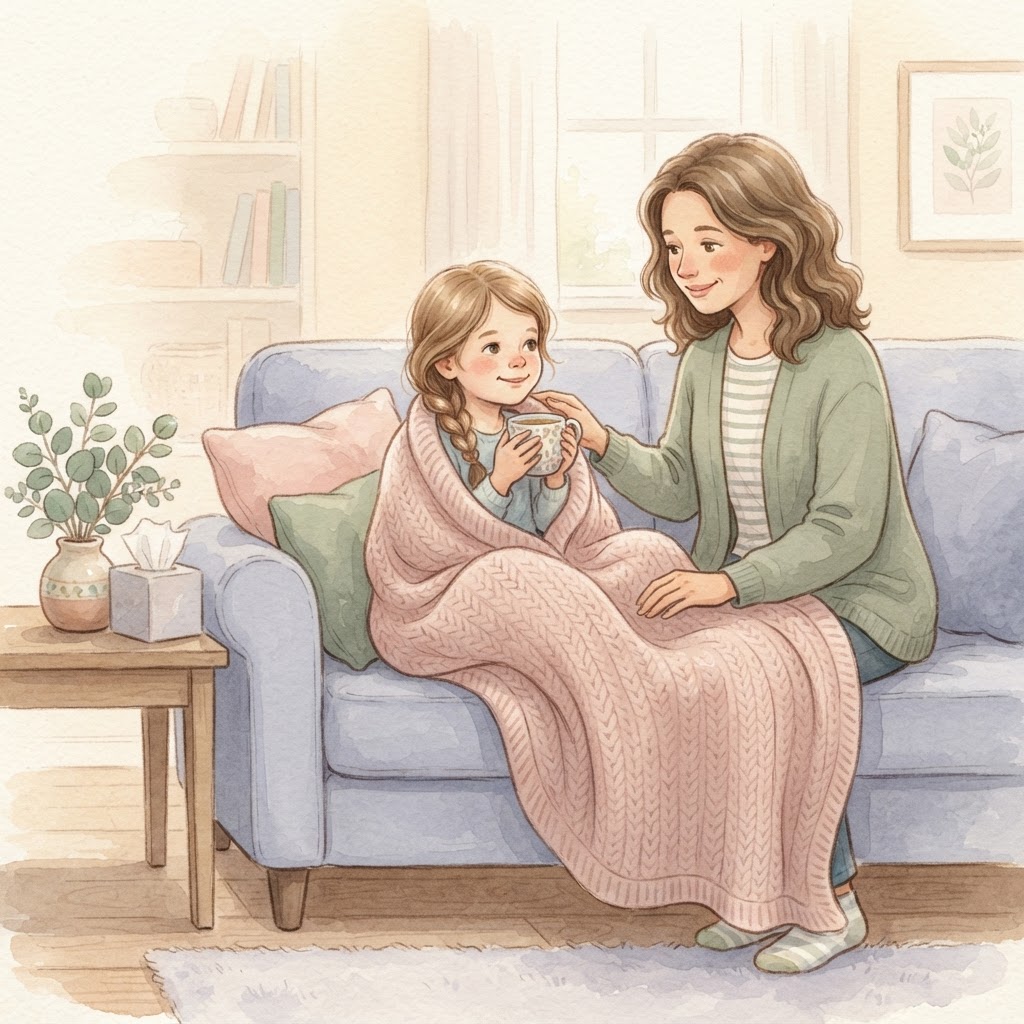
Cozy child wrapped in a blanket, cared for by a parent

It feels like your child has had a runny nose since September. Every time one cold clears up, another seems to start within days. You've heard "it's just daycare" more times than you can count — but is that really the whole explanation?

How Many Colds Is "Normal" for Kids?

Young children, particularly those in daycare or school, commonly experience somewhere in the range of 6 to 10 colds a year — sometimes more during the first year or two of group care, as their immune systems encounter a wide range of new germs for the first time. This can feel relentless to parents, but it is, genuinely, a normal part of early immune development for many children.

What Makes This Feel Worse Than It Might Actually Be

The "back to back" illusion. Cold symptoms, especially a lingering cough or runny nose, can persist for 1-2 weeks even after the contagious phase has passed. This means a new cold overlapping with the tail end of a previous one can make it feel like your child is "always sick," even if the actual number of distinct illnesses is within a typical range.

Group care exposure. Daycare and school settings dramatically increase germ exposure simply through close, sustained contact with other children — a factor that's about environment, not necessarily about your child's underlying immune resilience.

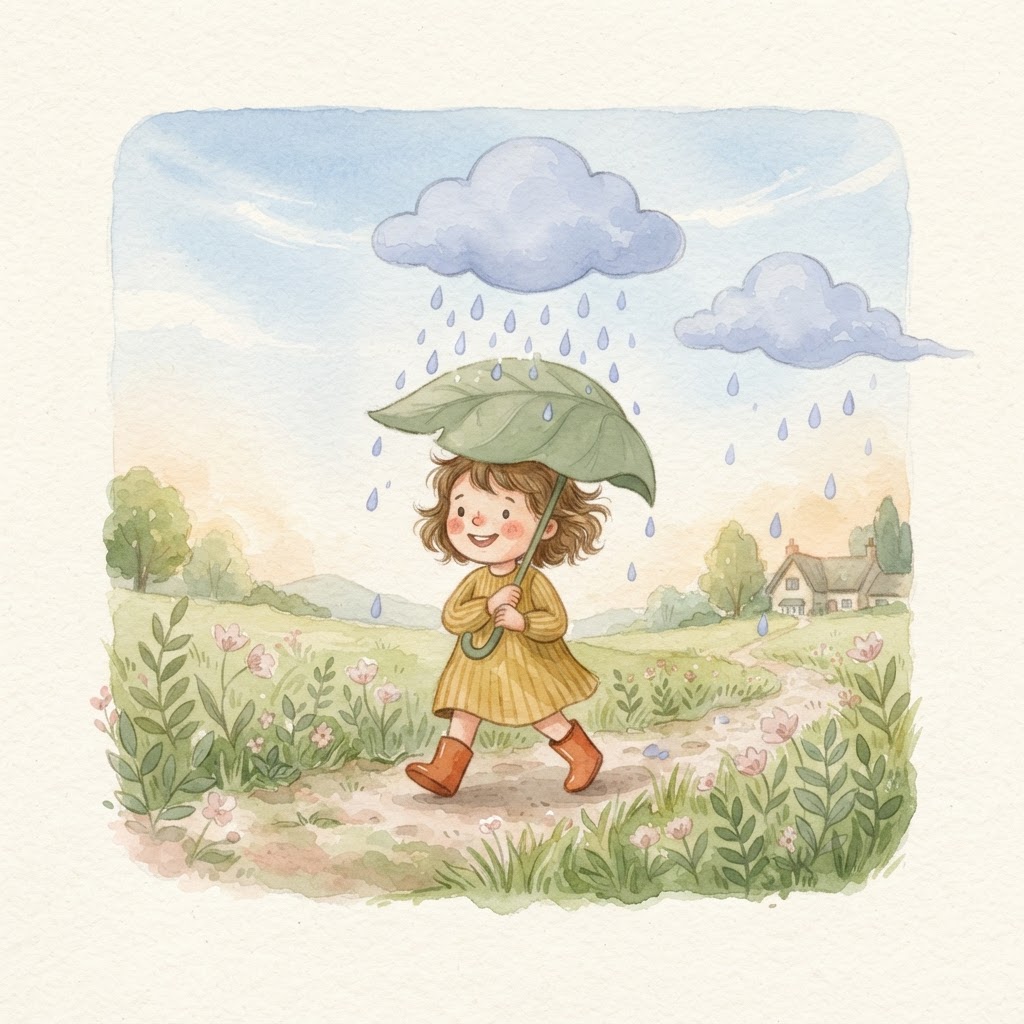
Two rain clouds passing over a child with a leaf umbrella

When Frequent Colds Might Warrant a Closer Look

While frequent colds are often just... frequent colds, certain patterns are worth paying more attention to:

Illnesses that consistently take much longer than expected to resolve

Colds that repeatedly progress into ear infections, sinus infections, or bronchitis

A pattern that feels genuinely different from what's typical for other children in the same setting

Symptoms alongside poor energy, growth concerns, or persistent fatigue between illnesses

Factors That Can Influence How Often Kids Get Sick

Beyond simple exposure, several factors are associated with a child's overall immune resilience:

Sleep quality and quantity — a well-established factor in immune function

Gut health — closely tied to overall immune regulation

Nutrient status — certain nutrients play documented roles in immune resilience

Stress — including major transitions like starting daycare, a new sibling, or family changes

Not Every Cold Needs to Be "Fixed"

It's worth naming directly: getting sick sometimes, and recovering, is part of how a child's immune system learns and matures. The goal isn't zero illness — it's understanding whether your child's overall pattern of getting sick and recovering seems proportionate, or whether something seems to be making it harder than expected.

The goal isn't zero illness — it's understanding whether your child's overall pattern seems proportionate.

worth exploring

Trust What You're Noticing

If this feels like more than "just daycare" to you, that observation is worth exploring rather than dismissing.

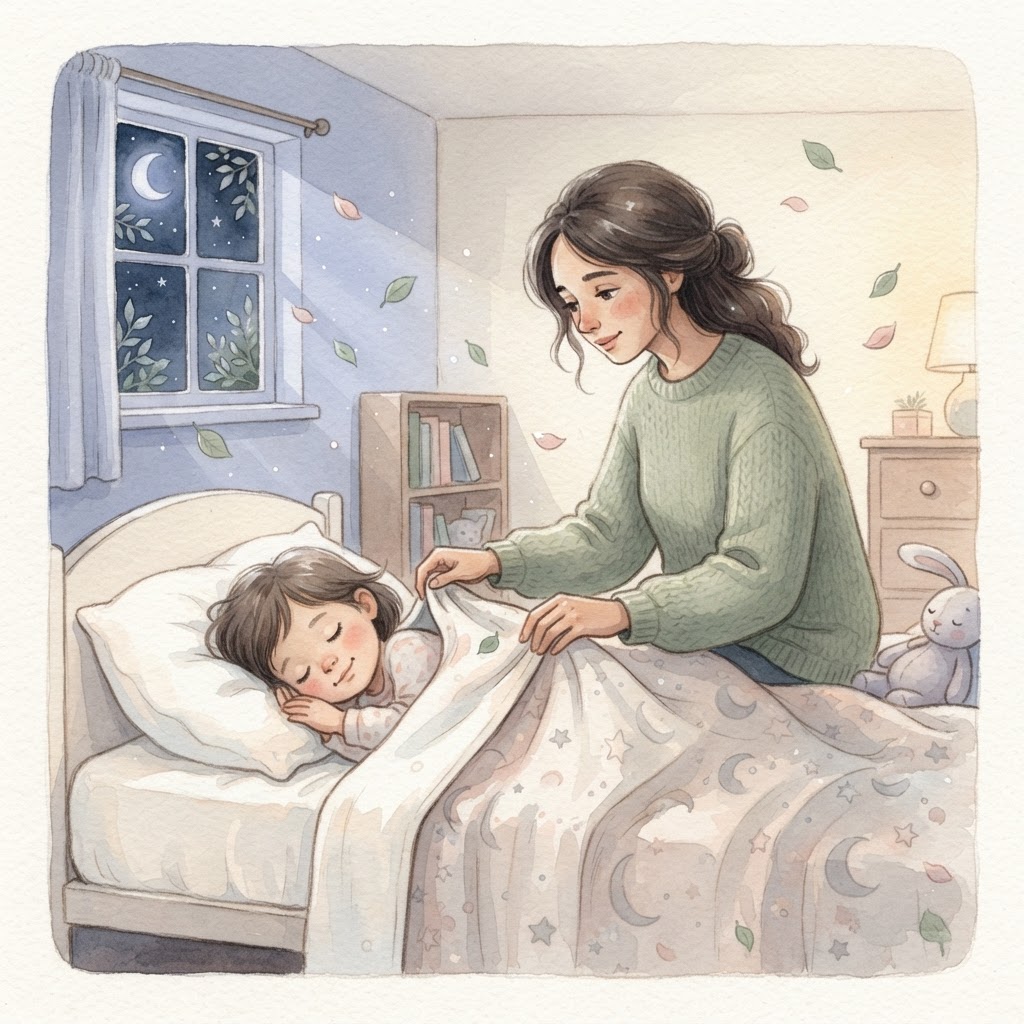
Parent tucking in a sleeping child at night

Book a consultation with Holistry to talk through your child's pattern of illness.

Book a Consultation

This article is for educational purposes and isn't a substitute for personalized medical advice. If your child's illnesses are severe, prolonged, or accompanied by concerning symptoms, please consult your pediatrician promptly.