Pediatric · Food & Nutrition

Food Sensitivities in Children: What to Know

hard to pin down?

Holistry · September 2026 · 4 min read

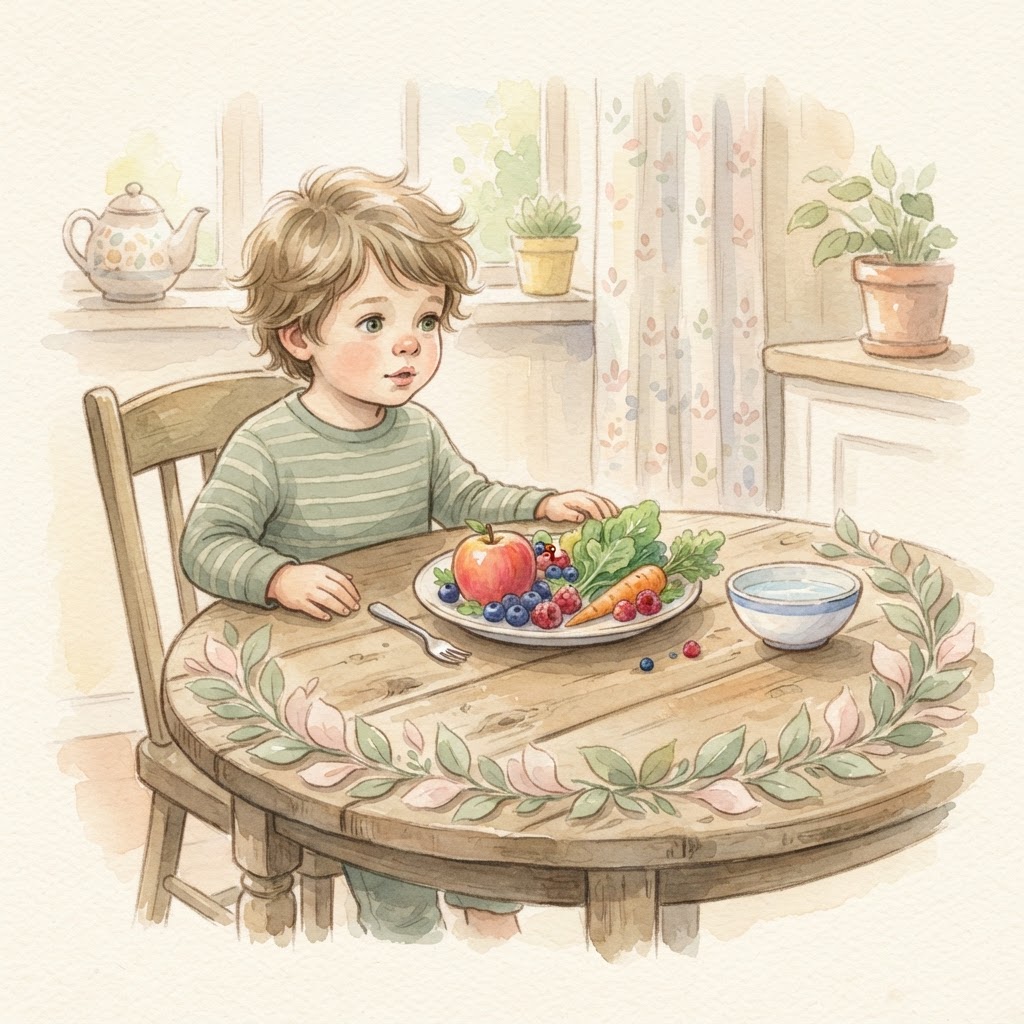
Child looking curiously at a colorful plate of food

You've noticed it before — a certain food and, hours or even a day later, a rash, a stomachache, a change in mood or energy. But by the time the symptom shows up, it's genuinely hard to connect the dots. Here's a clearer look at what food sensitivities actually are in children, and why they're so tricky to pin down.

Food Sensitivity vs. Food Allergy: An Important Distinction

These terms are often used interchangeably, but they describe different things in the body:

Food allergies involve the immune system's IgE antibodies and typically cause rapid, sometimes severe reactions — hives, swelling, difficulty breathing — often within minutes of exposure. These are diagnosed through specific allergy testing and can be medically serious.

Food sensitivities (sometimes called intolerances) tend to involve different mechanisms, often digestive or immune-related but not IgE-driven, and typically cause more delayed, less dramatic symptoms — bloating, fatigue, skin flare-ups, mood changes, or digestive discomfort that can show up hours or even a day or two after eating.

This distinction matters because the two require different types of assessment and carry different levels of medical urgency.

Why Food Sensitivities Are Hard to Identify

Child with a magnifying glass among watercolor foods

Because symptoms can be delayed, subtle, and varied, connecting a specific food to a specific symptom is genuinely difficult without a structured approach. A child might react to something eaten yesterday, not today, and the symptom itself (a mood change, mild bloating, a skin flare) might not obviously scream "food" the way a classic allergic reaction does.

Common Symptoms Associated With Food Sensitivities in Kids

Digestive symptoms (bloating, stomachaches, irregular bowel habits)

Skin flare-ups, including worsening eczema

Fatigue or low energy

Headaches

Mood or behavioral changes

Difficulty concentrating

It's worth being clear that these symptoms have many possible causes beyond food sensitivities — which is exactly why a structured, thorough approach matters more than guessing based on one or two of these symptoms alone.

Common Foods Associated With Sensitivities in Children

While any food can theoretically be a trigger for an individual child, certain foods are more commonly associated with sensitivity reactions — including dairy, gluten, eggs, and soy, among others. This varies significantly from child to child, and there's no universal list that applies to every family.

Why Guessing and Eliminating Isn't Always the Best Approach

It's a common instinct to start cutting out foods based on a hunch. While this can occasionally help, unsupervised, broad elimination diets in growing children carry real risks — including nutritional gaps at a time when kids need consistent nutrition for development. A more structured, informed approach tends to serve both the goal of identifying triggers and protecting a child's overall nutrition.

A structured, thorough approach matters more than guessing based on one or two of these symptoms alone.

your observation matters

You're Not Overreacting by Wanting Answers

If you've noticed a pattern between your child's diet and their symptoms, that observation is valuable, even if it's hard to prove on your own.

Parent and child cooking together

Book a consultation with Holistry to talk through what you've noticed and how to get a clearer picture.

Book a Consultation

This article is for educational purposes and isn't a substitute for personalized medical advice. If you suspect a true food allergy (rapid symptoms like hives, swelling, or difficulty breathing), seek medical evaluation promptly — this is different from a food sensitivity and requires urgent assessment.