Breaking the Silence: When Postpartum Depression Feels Invisible
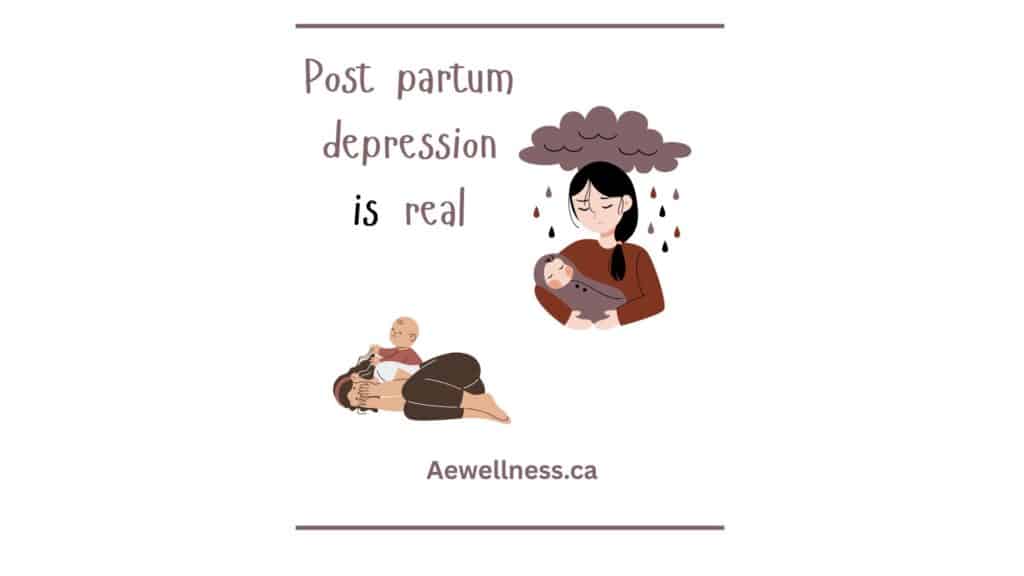
Postpartum depression can make you feel like you’re living in a completely different reality from everyone around you. While others celebrate your new arrival, postpartum depression creates a disconnect that’s difficult to explain. You hear well-meaning comments like “You must be so happy with your beautiful baby!” — yet postpartum depression makes it impossible to feel that expected joy, leaving you feeling more isolated than ever.
The Invisible Struggle
The challenge with postpartum depression is that it’s largely invisible to others. People around you might notice you seem tired, but postpartum depression goes far beyond normal exhaustion. It’s an overwhelming emotional and mental burden that you carry while managing the demands of caring for your newborn. Postpartum depression can make simple daily tasks feel monumentally difficult, yet from the outside, you might appear to be managing just fine.
Many people don’t recognize the signs of postpartum depression or understand its complexity. They may dismiss your struggles as typical new parent fatigue, not realizing that postpartum depression involves persistent feelings of sadness, anxiety, guilt, and sometimes even disconnection from your baby. This lack of understanding can intensify the isolation that postpartum depression already creates.
You’re Not Alone in This Experience
If you’re experiencing postpartum depression, it’s crucial to know that your feelings are valid and you’re far from alone. Postpartum depression affects many new mothers, even though it’s not always openly discussed. The silence surrounding postpartum depression can make you feel like you’re the only one struggling, but research shows that postpartum depression impacts approximately 10-20% of new mothers.
Postpartum depression doesn’t discriminate — it can affect anyone, regardless of age, background, or circumstances. It’s not a reflection of your character or your capacity as a mother. Postpartum depression is a legitimate medical condition that deserves proper attention and care.
Finding Support and Healing
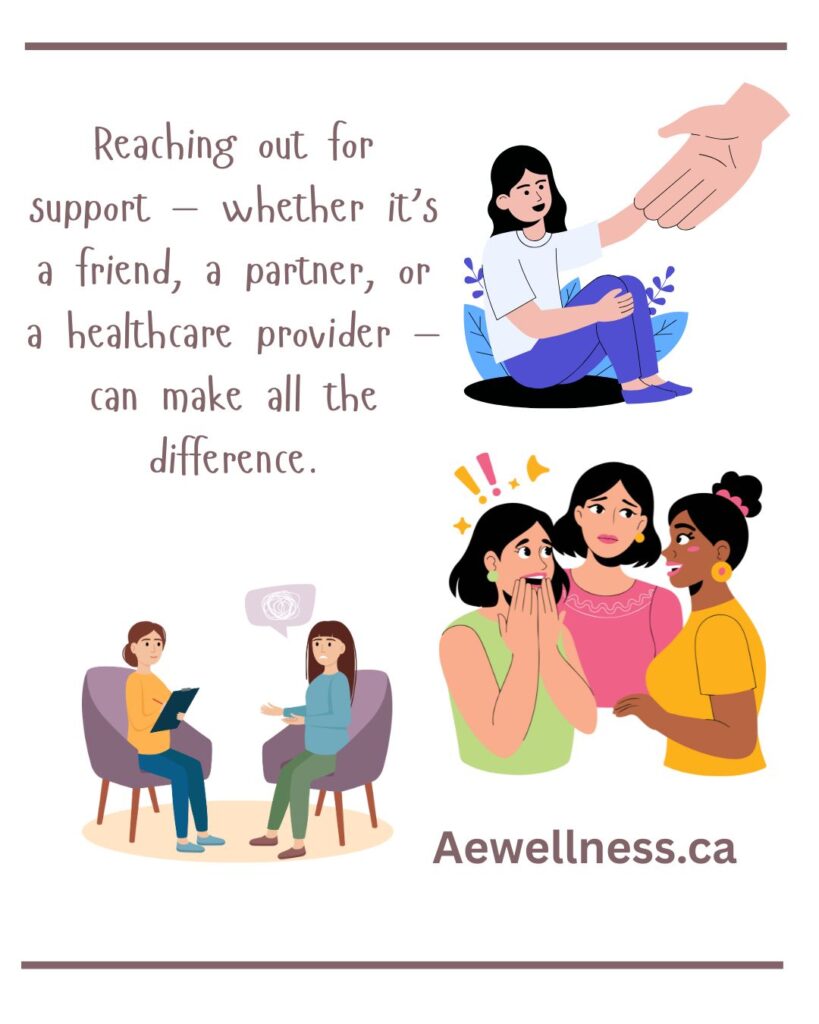
The path through postpartum depression becomes clearer when you have support. Whether it’s confiding in a trusted friend, speaking with your partner, or consulting with a healthcare provider, reaching out is often the first step toward healing from postpartum depression. Professional support can be particularly valuable, as healthcare providers understand postpartum depression and can offer appropriate treatment options.
Remember, seeking help for postpartum depression is not a sign of weakness — it’s an act of strength and self-care. With proper support and treatment, postpartum depression can be effectively managed, allowing you to reconnect with yourself and enjoy your journey as a mother.
You deserve understanding, compassion, and support as you navigate this challenging time. Postpartum depression may feel overwhelming now, but with the right help, brighter days are ahead.